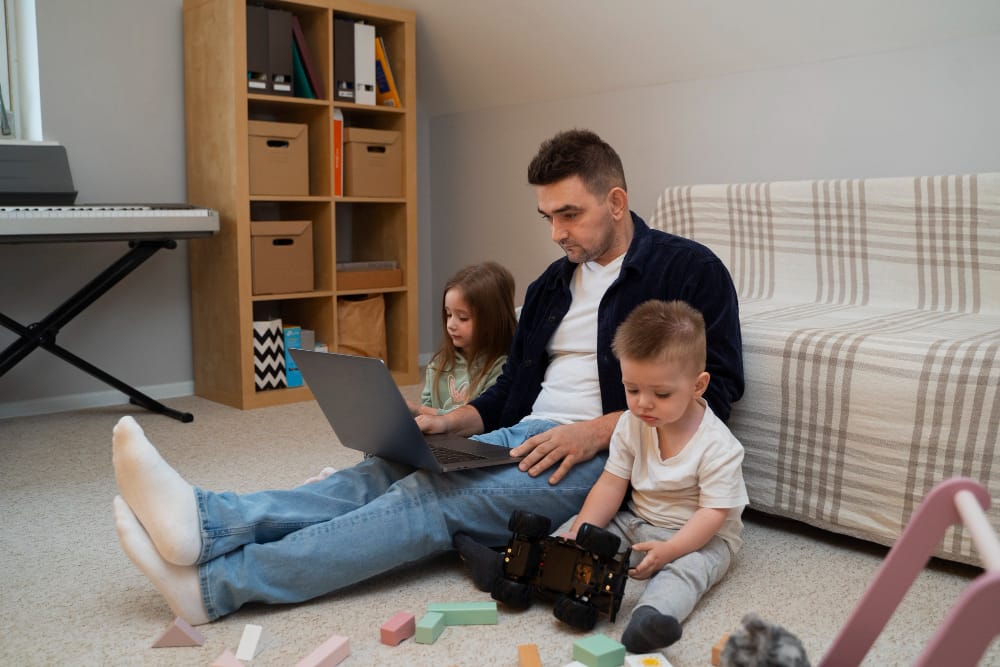

Parenting in the modern world requires patience, understanding, and adaptability. As families navigate busy schedules, digital distractions, and emotional pressures, many parents are searching for healthier ways to guide and discipline their children. This is where gentle discipline becomes an effective and meaningful parenting approach.
Gentle discipline focuses on teaching rather than punishing. Instead of using fear or harsh consequences, it encourages communication, emotional understanding, and respect between parents and children.
At Swish Parenting, we believe discipline should help children grow into confident, responsible, and emotionally healthy individuals.
What Is Gentle Discipline?
Gentle discipline is about guiding children with empathy while still maintaining clear boundaries and expectations. It teaches children why certain behaviors are inappropriate and helps them learn how to make better choices in the future.
This parenting approach does not mean allowing bad behavior or avoiding rules. Instead, it combines kindness with consistency to create a respectful family environment.
Why Gentle Discipline Matters
Children experience many emotions they do not yet fully understand. Frustration, disappointment, excitement, and anger can sometimes lead to difficult behavior. Harsh reactions may stop behavior temporarily, but they often fail to teach emotional control or problem-solving skills.
Gentle discipline helps children:
- Understand their emotions
- Learn self-control
- Build confidence and trust
- Improve communication skills
- Develop empathy and responsibility
When children feel heard and respected, they are more likely to cooperate and respond positively.
Effective Gentle Discipline Strategies
Stay Calm During Difficult Moments
Children learn emotional reactions from their parents. Responding calmly during conflicts teaches children how to manage their own emotions more effectively.
Set Clear Expectations
Children need clear and consistent boundaries. Explain household rules in simple language and remind children of expectations when needed.
Focus on Teaching
Instead of only saying “no,” explain why a behavior is harmful or inappropriate. Help children understand the consequences of their actions.
Encourage Positive Behavior
Praise and encouragement can be more powerful than punishment. Recognizing good behavior motivates children to repeat positive actions.
Give Children Choices
Allowing children to make small decisions helps them feel independent and teaches responsibility.
Discipline in the Digital Age
Technology has added new parenting challenges, including screen time limits, social media behavior, and online safety. Gentle discipline can help parents manage these situations without constant arguments or power struggles.
For example:
- Create agreed-upon screen time schedules
- Explain why digital balance is important
- Encourage offline activities and family interaction
- Use communication instead of threats
Children respond better when they understand the purpose behind rules.
Building Stronger Parent-Child Relationships
One of the greatest benefits of gentle discipline is the stronger emotional connection it creates between parents and children. Trust, respect, and communication become the foundation of the relationship.
Children who feel emotionally supported are more likely to:
- Share their thoughts openly
- Ask for help when needed
- Develop confidence
- Build healthy relationships with others
Final Thoughts
Discipline should not only correct behavior — it should teach life skills. Gentle discipline helps children become emotionally intelligent, respectful, and responsible individuals while creating a peaceful and supportive family environment.
Modern parenting is not about perfection. It is about learning, growing, and building stronger connections with our children every day.
With patience, consistency, and understanding, parents can guide their children through today’s challenges while preparing them for a healthy and confident future.